
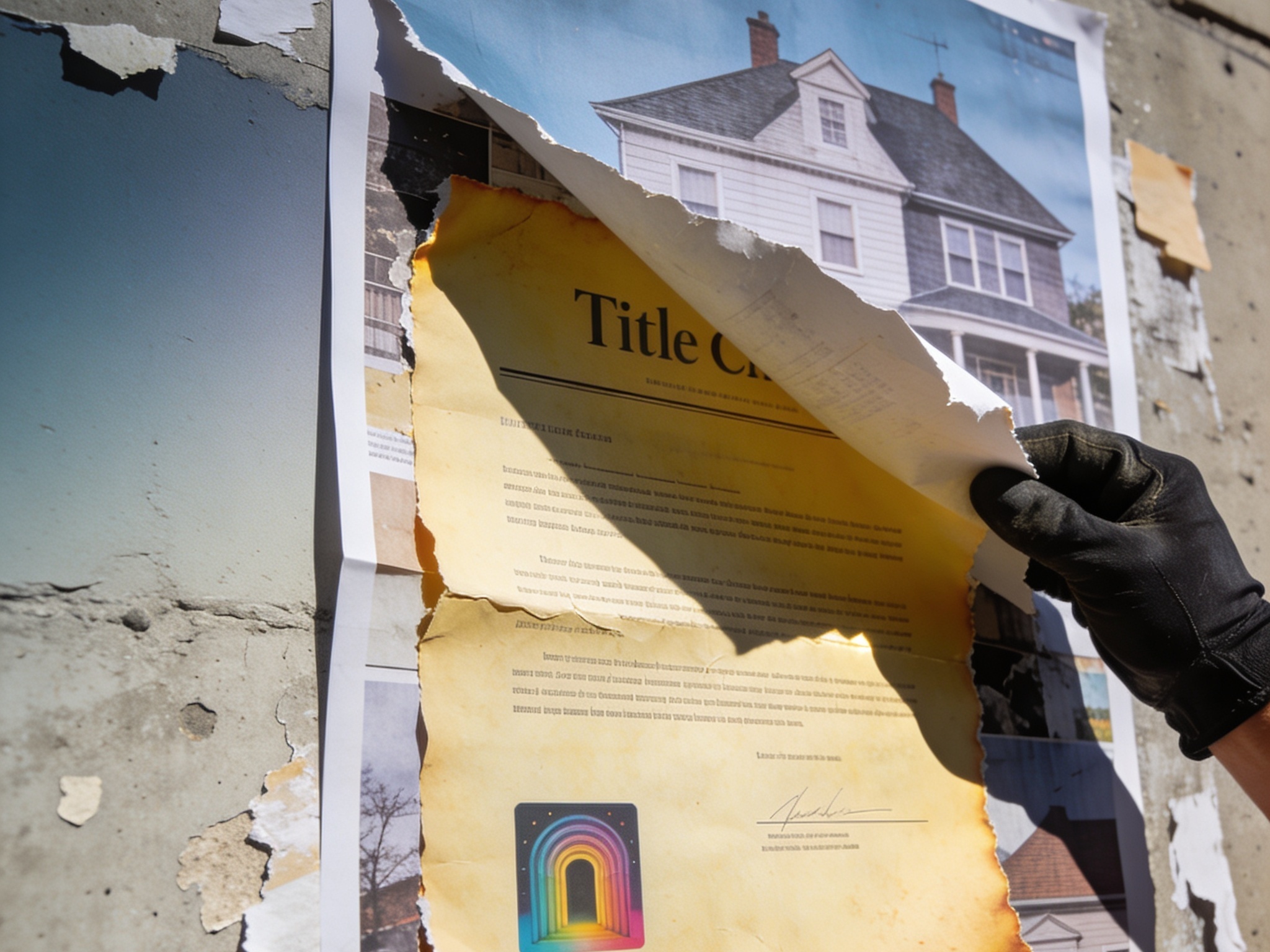



Popular belief holds that LankaPropertyWeb, Ikman and similar portals serve as reliable one-stop sources for Sri Lanka property listings. Live counts and price indices suggest comprehensive coverage. Data from the sites themselves shows otherwise. High volumes come from user-generated ads and paid placements. None of the leading platforms publish a deed verification checklist, transparent methodology for their indices, or citations to foreign ownership statutes. The pattern holds across agency sites too. Buyers who treat listings as verified proof encounter title issues or unexpected legal structures.
Sri Lanka property listings on major portals function as inventory maps, not verified records. Buyers must request original deeds, encumbrance certificates and independent surveyor reports separately because none of the top sites supply these checks or foreign buyer legal citations.
Opening Verdict, Brief: Why Listings Are Not Proof
Top portals present thousands of Sri Lanka property listings as ready options. The assumption is that volume and visibility equal reliability. Page audits show the opposite. LankaPropertyWeb advertises over 25,000 ads while publishing a house price index without primary data sources or calculation steps [1]. Ikman reports 60,000 plus live property ads with no editorial note on title provenance [2]. CeylonProperty and agency pages follow the same pattern of inventory display without attached legal documentation.
The gap is structural. Portals earn from boosted placements and agency subscriptions. Verification steps add cost and slow conversions, so they remain absent. A reader who starts with any single listing therefore starts without proof of ownership or foreign buyer compliance.
The Inventory Illusion: How 60,000 Listings Create False Confidence
Ikman displays more than 60,000 property ads at any moment. LankaPropertyWeb promotes 25,000 plus Sri Lanka ads. These numbers look reassuring. They function as a user experience signal rather than evidence of vetted supply.
High counts arise because listings are user submitted or agency uploaded with minimal gatekeeping. No portal requires an original deed scan before publication. The result is duplicate entries, outdated prices and occasional fraudulent claims that sit alongside legitimate offers. Buyers who rely on count alone overlook that the same property can appear on three sites with inconsistent details.
Mechanics of the Gap. Monetisation, Boosted Ads and Missing Methodologies
Business models explain the absence of verification tools. Classified platforms charge for featured placements and premium agency accounts. LankaPropertyWeb and Ikman both operate on this basis. Adding deed checks or publishing legal citations would require staff time and legal review that does not generate direct revenue.
PropertyGuide publishes area ratings for towns such as Galle yet supplies no scoring methodology [7]. Prime Lands lists per-perch prices but does not standardise them against regional medians [6]. The incentive structure rewards volume and speed over documented accuracy. Readers therefore receive maps of available stock, not audited records.

Real Risks Buyers Miss: Company Sales, USD Listings and Title Tricks
Southern coast listings sometimes appear priced in USD and structured as company share transfers [8]. This route differs legally from direct deed transfer for foreign buyers. Some developers market the structure as simpler while omitting that share sales can trigger additional company law filings and capital gains exposure.
Agency sites such as Home Lands and South Sri Lanka Property list projects with marketing claims that lack third party surveyor confirmation. A buyer who accepts the listing text at face value may later discover the land has encumbrances or that the stated boundaries differ from the registered plan. The pattern appears repeatedly because portals do not flag these structures.
A 7-item Deed Verification Checklist No Top Site Publishes
Request the original deed from the seller or agent and confirm it matches the name on the title registry. Obtain an encumbrance certificate from the land registry covering the previous twenty years. Commission an independent surveyor report that includes a current boundary plan and compares it to the deed description. Verify the seller's identity documents against the deed party name and check for any pending court cases through the relevant district court registry.
For company owned land, request the company extract from the Registrar of Companies and confirm the authorised signatory matches the sale agreement. Demand a tax clearance certificate from the Inland Revenue Department showing no outstanding liabilities. Finally, trace the full transfer history on the deed back to the original grantor and note any breaks in the chain. Paste this exact list into your first message to any agent: original deed, encumbrance certificate, surveyor report, party status, company extract, tax clearance, transfer history.
Per-Perch Math and Regional Benchmarks: How to Convert Prices and Compare Projects
Prime Lands lists Saffron in Malabe at roughly 2,850,000 LKR per perch [6]. One perch equals 25.29 square metres. To convert, divide the per-perch price by 25.29. That produces an approximate square metre rate of 112,692 LKR for that project. Apply the same conversion to other listings for direct comparison.
Regional adjustment requires local medians. Southern coastal land often trades at a premium to Colombo suburbs once converted. Galle district medians sit higher than Matara equivalents after unit standardisation. Without this step, a buyer cannot tell whether a 3,000,000 LKR perch price represents value or overpayment relative to the immediate area.
Platform Faceoff: LankaPropertyWeb, Ikman, CeylonProperty and Agency Sites Compared
The comparison table below summarises observed strengths and documented blind spots for each major source based on live site audits.
| Platform | Inventory strength | Verification gap | Foreign buyer guidance |
|---|---|---|---|
| LankaPropertyWeb | 25,000 plus ads, house price index present | Index lacks methodology or source citations | None published |
| Ikman | 60,000 plus live listings, broad filters | No title provenance checks | None published |
| CeylonProperty | Agency listings plus editorial notes | Notes rarely include deed references | Limited statute mentions |
| Agency developer sites | Project specific pricing and photos | Marketing claims unverified by third parties | Company share structures presented without caveats |
Hela Lanka Ads homepage overview and features offers region filters that surface listings without claiming verification.
A Safer Search Workflow for Buyers and Agents
Start on any portal to identify candidates, then immediately request the seven documents listed in the checklist section. Run the per-perch conversion on every shortlisted price before viewing. Insist on a named surveyor or lawyer for the encumbrance check rather than accepting an agent supplied certificate. Only after these steps proceed to price negotiation or deposit. The sequence prevents the common pattern where a buyer commits funds before discovering the title is held by a company or carries undisclosed liens. Hela Lanka Ads editorial guides and seller tips contain additional region specific notes on this sequence.
Key takeaways
- High listing counts on LankaPropertyWeb and Ikman reflect volume, not verified titles.
- Foreign buyers face extra legal steps when listings use company share structures instead of direct deeds.
- Convert per-perch prices to square metres and compare against regional medians before any offer.
People also ask
- Can foreigners buy property in Sri Lanka, and if so, how?
- Foreigners may purchase apartments or land through company structures or with specific approvals. Direct deed transfers require additional central bank and land registry steps that most portals do not detail.
- How do I verify title deeds and avoid fraudulent listings?
- Request the original deed, encumbrance certificate from the past twenty years, independent surveyor report, seller identity match and full transfer history. None of the top portals provide this checklist.
- What taxes and fees apply when buying property in Sri Lanka, including stamp duty, VAT, CGT?
- Stamp duty, registration fees and potential capital gains tax apply. Rates vary by property type and buyer status. Portals rarely publish current schedules or official citations.
- What are typical agent commissions and listing costs in Sri Lanka?
- Agent commissions range from two to five percent of sale price. Listing fees on portals depend on featured placement packages. Exact rates appear only after account registration.
FAQ
- Do Sri Lanka property portals verify ownership before publishing ads?
- No. LankaPropertyWeb, Ikman and similar sites accept user and agency uploads without requiring deed scans or title checks at publication time.
- How should a foreign buyer structure a Sri Lanka property purchase?
- Foreign buyers most often use a local company or obtain required approvals for direct ownership. Company share sales appear in coastal listings but carry different filing obligations than deed transfers.
- What is the most common title problem missed on portal listings?
- Undisclosed encumbrances and mismatched boundaries appear most often. These surface only after an independent encumbrance certificate and surveyor report are obtained outside the portal.
- Are per-perch prices directly comparable across Sri Lankan regions?
- No. Convert to square metres first, then adjust for local medians. Colombo suburbs and southern coast districts show different base rates once standardised.
- Which portal provides the clearest foreign buyer legal notes?
- None of the top portals publish step by step citations to foreign ownership statutes. Independent legal review remains necessary regardless of discovery source.
- How long does deed verification typically take in Sri Lanka?
- Obtaining the encumbrance certificate and surveyor report usually requires two to four weeks when handled through the land registry and a licensed surveyor.